
How to Approach UI Design Projects: A Simple Step-by-Step Guide
Jul 14, 2026
·
4 min read
So you're thinking about your first UI project or you've got a new one coming up. You're probably excited but a little bit anxious as well.
You might be asking yourself: Where do I start? What should I do first? How do I avoid getting lost halfway through?
The good news is you do not need to figure everything out as you go. With a clear plan, solid research, thoughtful exploration, and open collaboration, your UI project can move forward much more smoothly.
In this article, we’ll explain how to approach a UI design project effectively and efficiently.
Where to start when working on a new UI design project
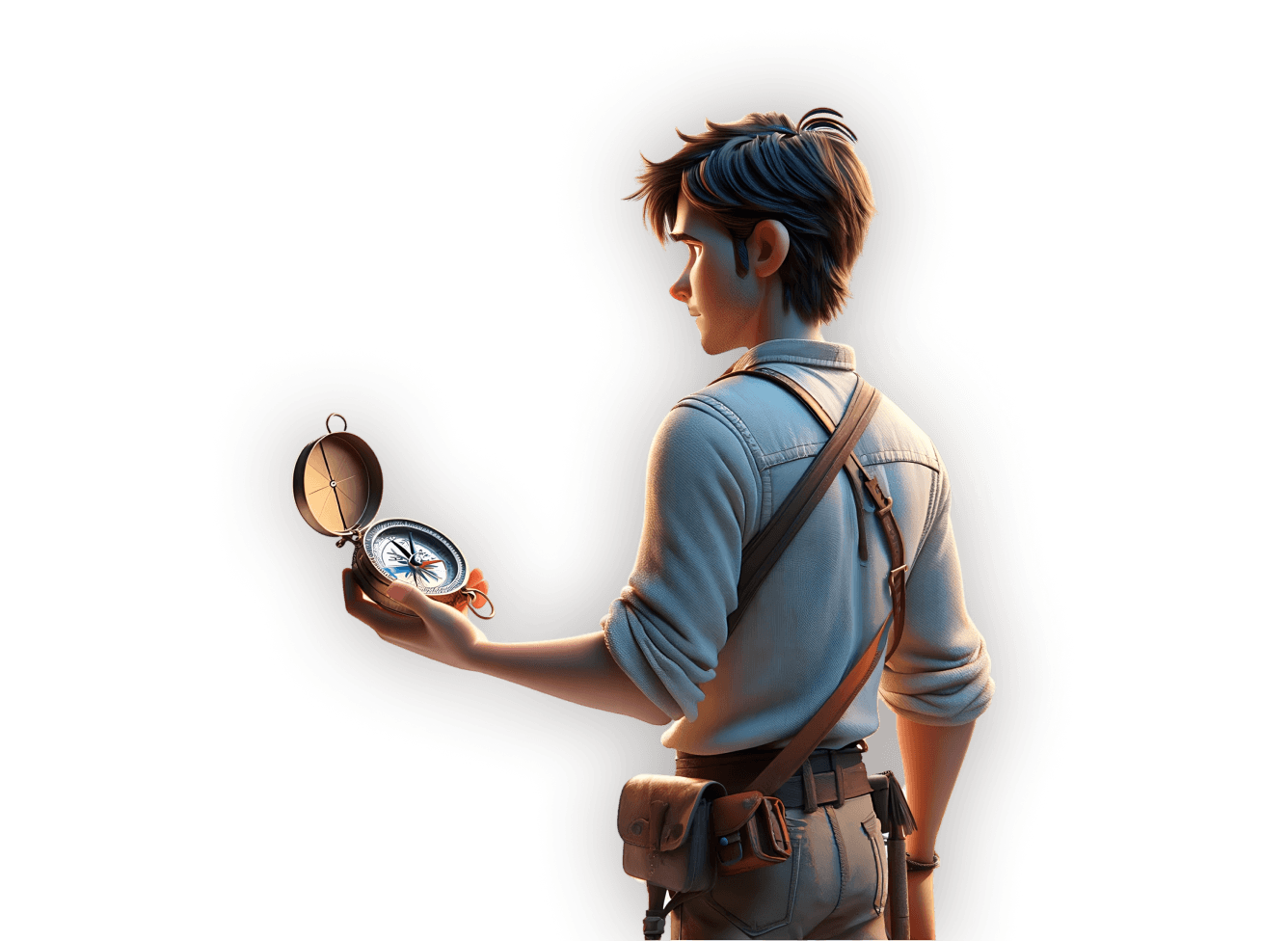
Starting a new project is a bit like embarking on a new journey. You need a clear path, or a map if you will, to guide your steps.
Before you make design choices or start sketching wireframes, sit down and draft a plan. This plan will become the foundation for your project and will guide the choices you will make later.
Use this checklist as your starting point:
What is the scope?
What are the requirements?
What are the goals?
Are there deadlines to keep in mind?
Who's the audience?
What kind of brand are you working with?
Document all these little details as they form the foundation for your project and the future choices you will make. And remember you're not designing in a vacuum. Your designs will cater to an audience, the users.
Why research is so important in UI design
Research is crucial for any kind of design project. It helps you understand who you are designing for and what they actually need.
Through research, you can learn more about:
Your audience
The needs they have
Their preferences
Their pain points
These insights are invaluable. They help shape your design decisions and make it easier to create a user interface that resonates with your users.
Instead of guessing, you are designing with direction. And when your design choices are guided by real insights, the process tends to work like a charm.
How to brainstorm ideas for a UI project
Once you have your plan in hand and insights at your fingertips, it's time to step into the brainstorming phase. This is where you begin collecting and compiling inspiration. But the key is to be mindful about what inspires you and why.
Not every source of inspiration will serve every project equally well. For example, Mobbin may be a lot better for certain types of projects than Dribbble.
The goal is to understand what visual references, patterns, and ideas could actually support the project you are working on.
Ideation and visual exploration phase
The next phase is all about ideation and visual exploration. This is your creative playground.
You can:
Sketch your ideas
Jot down concepts
Create mood boards for appropriate visual styles and directions
Experiment with different types of layouts
At this stage, let your ideas flow freely. No idea is too crazy yet. You are exploring possibilities, testing directions, and giving yourself enough room to discover what might work best.
This is also where great designers start to stand out. Why? Because the ability to embrace feedback and revisions is a huge part of the design process. Your design is not set in stone but a dynamic, fluid entity that evolves over time.
How to handle feedback and revisions
Feedback is not something to fear. In UI design, feedback helps your work become stronger.
You should accept feedback from:
Your peers
Your stakeholders
Most importantly, your users
Then, use those insights to make revisions. A design that adapts is a design that succeeds. That does not mean changing things randomly, but listening, learning, and improving the design based on what you discover.
Why does collaboration matter in UI design projects?
Collaboration is an integral part of UI design. More often than not, you are part of a larger team. That means your ability to communicate matters. Share your ideas with your peers. Listen to their ideas, too.
This exchange of ideas and insights enriches the design process and helps build a spirit of teamwork and collective growth. Great UI design rarely happens in total isolation. When everyone contributes, the project can become more thoughtful, focused, and top-notch.
How to apply this process to a real UI design project
Let’s put these principles into practice. Imagine you are about to start a new design project: a mobile application for a chain of small local bakeries.
Before jumping into visuals, you would begin by documenting your project plan.
That means detailing:
The project scope
The deadlines
The stakeholders
Any other relevant project information
Next, you would conduct a hypothetical research session. This could include profiling your target audience and moodboarding the style that would resonate with them.
Then, using those insights, you would start creating some initial concepts for the app.
This gives your project a clear flow: plan first, research next, explore visually, then refine through feedback and collaboration.
To wrap it all up...
Approaching a UI design project does not have to feel overwhelming.
When you follow this kind of process, you give your UI project a much stronger foundation from the very beginning.
Where to start when working on a new UI design project
Starting a new project is a bit like embarking on a new journey. You need a clear path, or a map if you will, to guide your steps.
Before you make design choices or start sketching wireframes, sit down and draft a plan. This plan will become the foundation for your project and will guide the choices you will make later.
Use this checklist as your starting point:
What is the scope?
What are the requirements?
What are the goals?
Are there deadlines to keep in mind?
Who's the audience?
What kind of brand are you working with?
Document all these little details as they form the foundation for your project and the future choices you will make. And remember you're not designing in a vacuum. Your designs will cater to an audience, the users.
Why research is so important in UI design
Research is crucial for any kind of design project. It helps you understand who you are designing for and what they actually need.
Through research, you can learn more about:
Your audience
The needs they have
Their preferences
Their pain points
These insights are invaluable. They help shape your design decisions and make it easier to create a user interface that resonates with your users.
Instead of guessing, you are designing with direction. And when your design choices are guided by real insights, the process tends to work like a charm.
How to brainstorm ideas for a UI project
Once you have your plan in hand and insights at your fingertips, it's time to step into the brainstorming phase. This is where you begin collecting and compiling inspiration. But the key is to be mindful about what inspires you and why.
Not every source of inspiration will serve every project equally well. For example, Mobbin may be a lot better for certain types of projects than Dribbble.
The goal is to understand what visual references, patterns, and ideas could actually support the project you are working on.
Ideation and visual exploration phase
The next phase is all about ideation and visual exploration. This is your creative playground.
You can:
Sketch your ideas
Jot down concepts
Create mood boards for appropriate visual styles and directions
Experiment with different types of layouts
At this stage, let your ideas flow freely. No idea is too crazy yet. You are exploring possibilities, testing directions, and giving yourself enough room to discover what might work best.
This is also where great designers start to stand out. Why? Because the ability to embrace feedback and revisions is a huge part of the design process. Your design is not set in stone but a dynamic, fluid entity that evolves over time.
How to handle feedback and revisions
Feedback is not something to fear. In UI design, feedback helps your work become stronger.
You should accept feedback from:
Your peers
Your stakeholders
Most importantly, your users
Then, use those insights to make revisions. A design that adapts is a design that succeeds. That does not mean changing things randomly, but listening, learning, and improving the design based on what you discover.
Why does collaboration matter in UI design projects?
Collaboration is an integral part of UI design. More often than not, you are part of a larger team. That means your ability to communicate matters. Share your ideas with your peers. Listen to their ideas, too.
This exchange of ideas and insights enriches the design process and helps build a spirit of teamwork and collective growth. Great UI design rarely happens in total isolation. When everyone contributes, the project can become more thoughtful, focused, and top-notch.
How to apply this process to a real UI design project
Let’s put these principles into practice. Imagine you are about to start a new design project: a mobile application for a chain of small local bakeries.
Before jumping into visuals, you would begin by documenting your project plan.
That means detailing:
The project scope
The deadlines
The stakeholders
Any other relevant project information
Next, you would conduct a hypothetical research session. This could include profiling your target audience and moodboarding the style that would resonate with them.
Then, using those insights, you would start creating some initial concepts for the app.
This gives your project a clear flow: plan first, research next, explore visually, then refine through feedback and collaboration.
To wrap it all up...
Approaching a UI design project does not have to feel overwhelming.
When you follow this kind of process, you give your UI project a much stronger foundation from the very beginning.
If you aren't following us on Instagram already, you're seriously missing out! Become a part of our ever-growing community and learn something new from the field of product design every. single. day.
Happy designing! 🥳
andrija & supercharge design team

If you aren't following us on Instagram already, you're seriously missing out! Become a part of our ever-growing community and learn something new from the field of product design every. single. day.
Happy designing! 🥳
andrija & supercharge design team
Related blog posts
You might like the following
You might like the following


LIMITED-TIME OFFER
Get 12 premium members-only video lessons for free
Just tell us where to send them
You can unsubscribe at any time—no strings attached
LIMITED-TIME OFFER
Get 12 premium members-only video lessons for free
Just tell us where to send them
You can unsubscribe at any time—no strings attached