Zeigarnik Effect in UX Design
Mar 2, 2026
·
2 min read
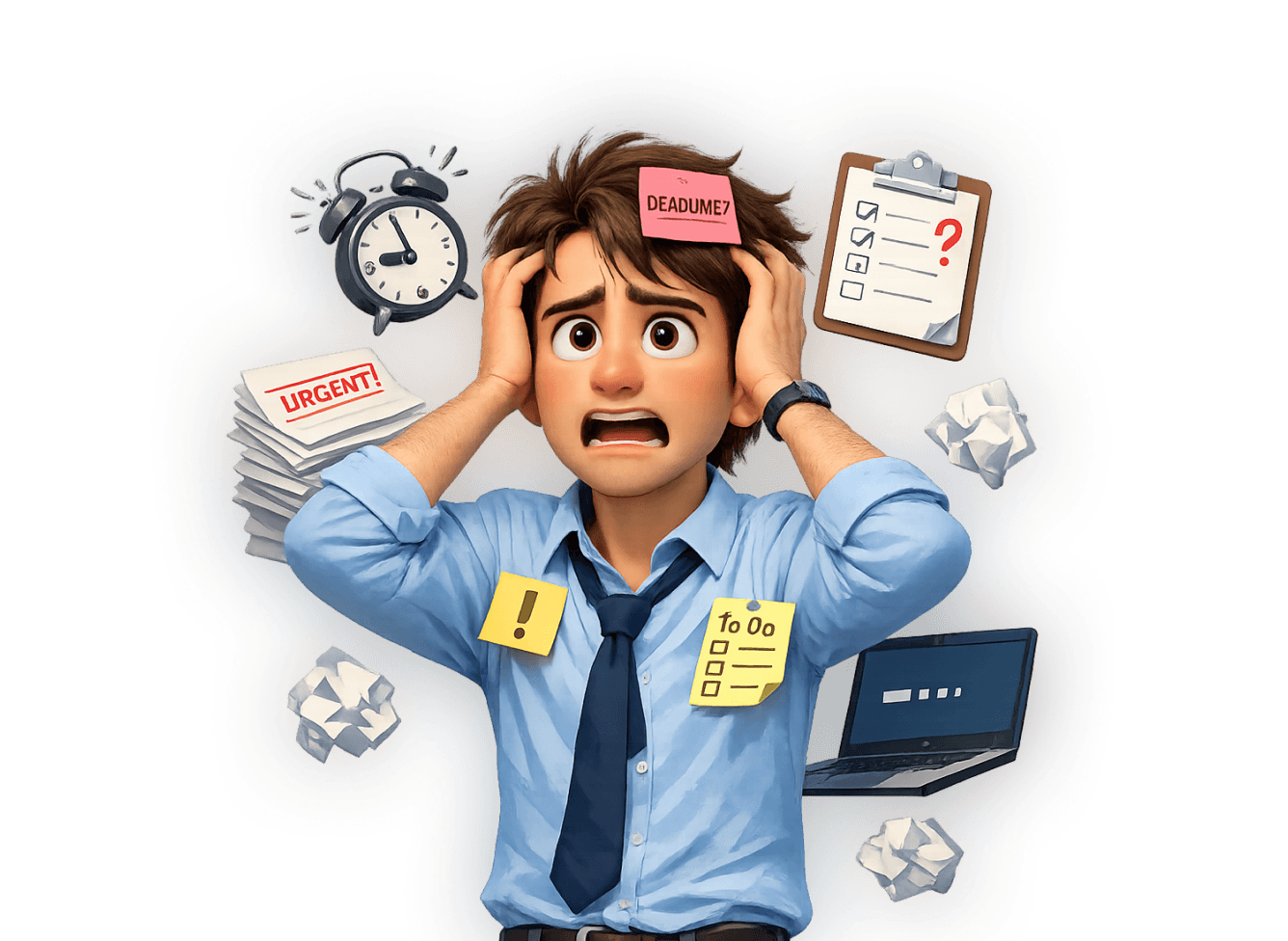
Ever noticed how unfinished tasks are harder to ignore than completed ones? That’s not an accident; it’s psychology.
The Zeigarnik effect explains why people remember incomplete actions better than finished ones. In UX design, this principle can quietly drive engagement, increase completion rates, and keep users coming back. Let's go through it in more detail!
What is the Zeigarnik effect?
The Zeigarnik Effect in UX Design taps into a key psychological pattern: people remember unfinished tasks better than completed ones. This idea comes from research by Bluma Zeigarnik in the 1920s. She found that unresolved tasks stick in our minds more than those we have finished.
In UX design, this effect is a powerful tool to boost user engagement and motivation. When users see something incomplete, like a progress bar or a task list with unfinished items, they feel a subtle urge to return and finish what they started. This comes from the mental tension of unresolved tasks, keeping them on their minds.
How it works in interfaces
Designers can use the Zeigarnik Effect by giving users clear hints about what's next. Here are some effective methods:
Show how many steps are left in a multi-step onboarding process.
Indicate that more content is waiting after a scroll.
Use visible progress markers to keep users curious.
Providing visible progress toward a goal is another way to apply this effect. When users see that they have made progress, whether it's setting up their profile, completing a learning module, or even finishing other tasks, it triggers a psychological drive to reach the finish line. Providing visible progress, or framing users as already having started, can increase completion rates.
Why it's important
The Zeigarnik Effect in UX design helps create experiences that feel interactive and worth returning to. By acknowledging what’s left to do and showing users how far they’ve come, interfaces can encourage users to keep going without being pushy. When used thoughtfully, this principle aligns with how people think and remember tasks, making products feel more intuitive and enjoyable to use.
If you aren't following us on Instagram already, you're seriously missing out! Become a part of our ever-growing community and learn something new from the field of product design every. single. day.
Happy designing! 🥳
andrija & supercharge design team

If you aren't following us on Instagram already, you're seriously missing out! Become a part of our ever-growing community and learn something new from the field of product design every. single. day.
Happy designing! 🥳
andrija & supercharge design team
Related blog posts
You might like the following
You might like the following


LIMITED-TIME OFFER
Get 12 premium members-only video lessons for free
Just tell us where to send them
You can unsubscribe at any time—no strings attached
LIMITED-TIME OFFER
Get 12 premium members-only video lessons for free
Just tell us where to send them
You can unsubscribe at any time—no strings attached