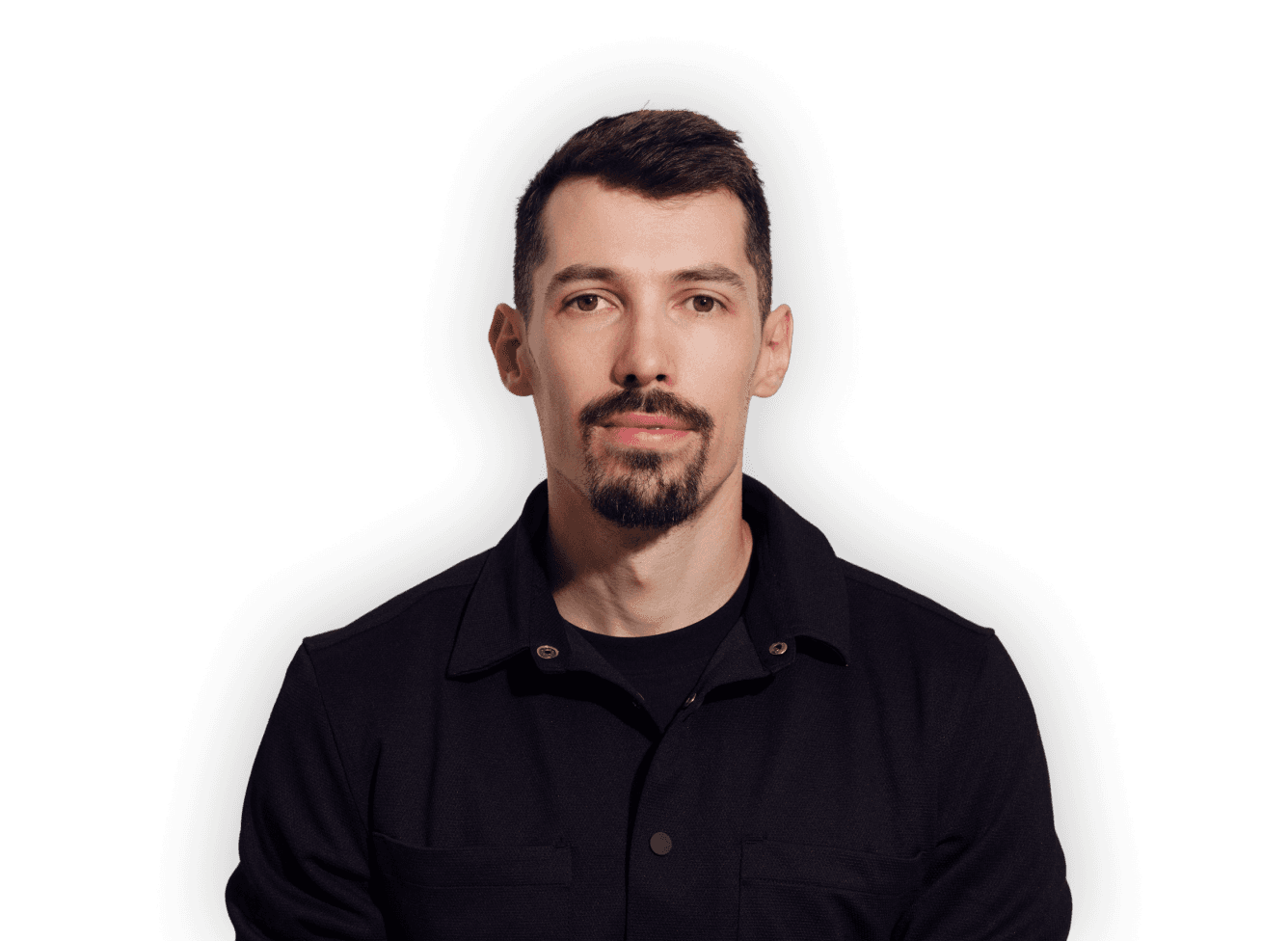
Supercharge Designer Spotlight: Luboš Volkov
Apr 7, 2026
·
8 min read
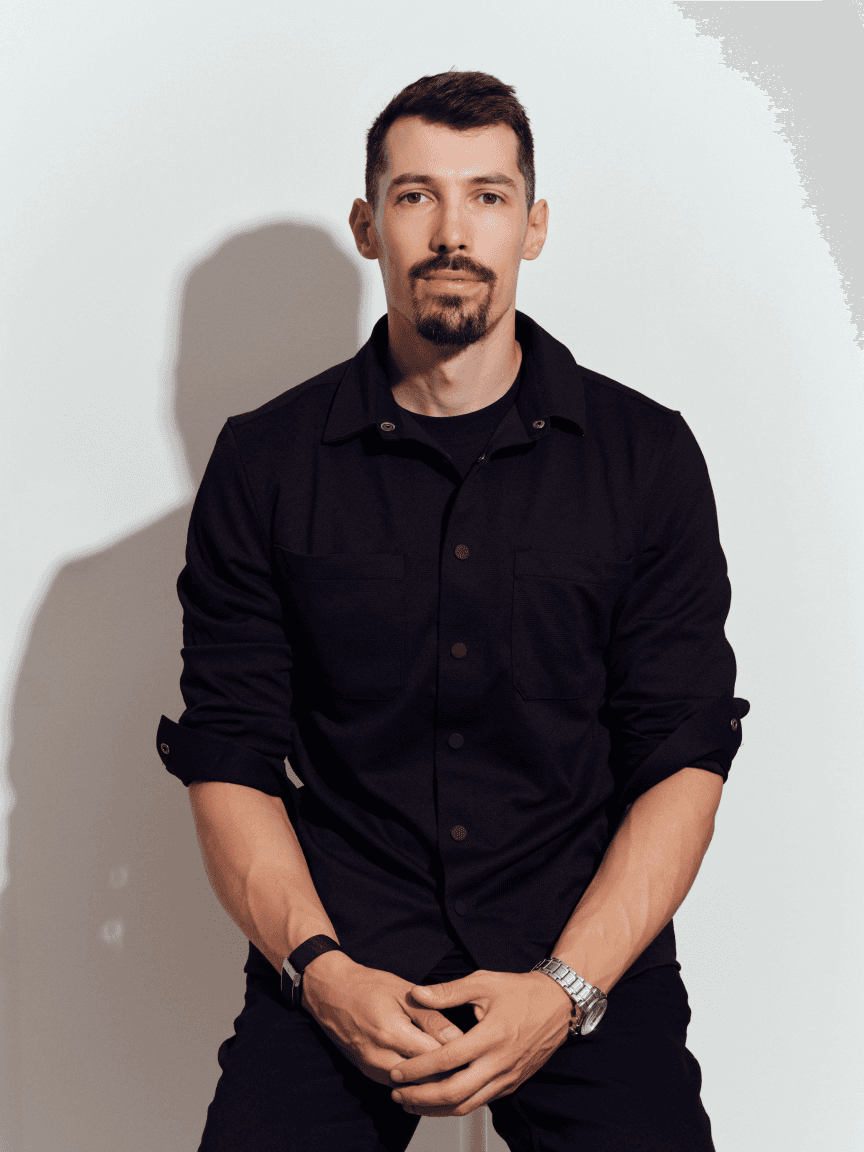
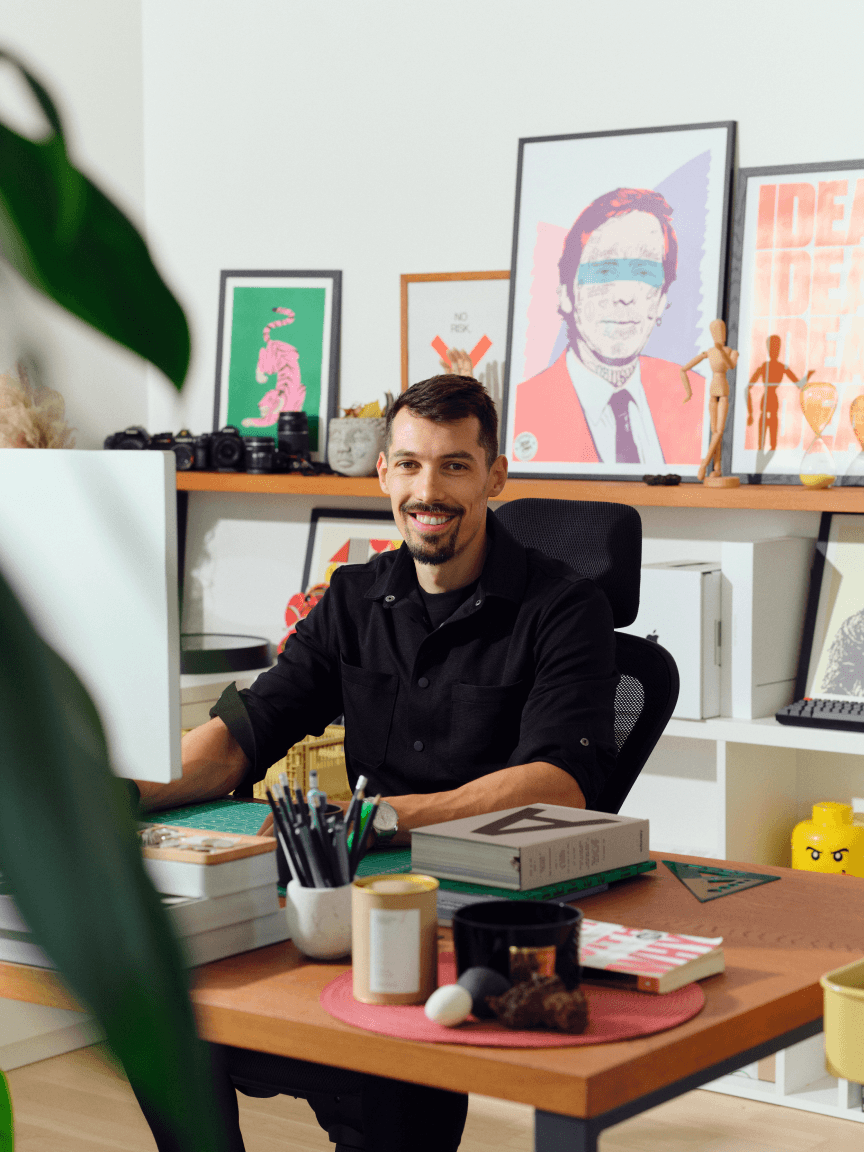
Luboš is a designer with over 15 years of experience working with tech startups and corporations. He left college at 18 to pursue design on his own and built his career from the ground up.
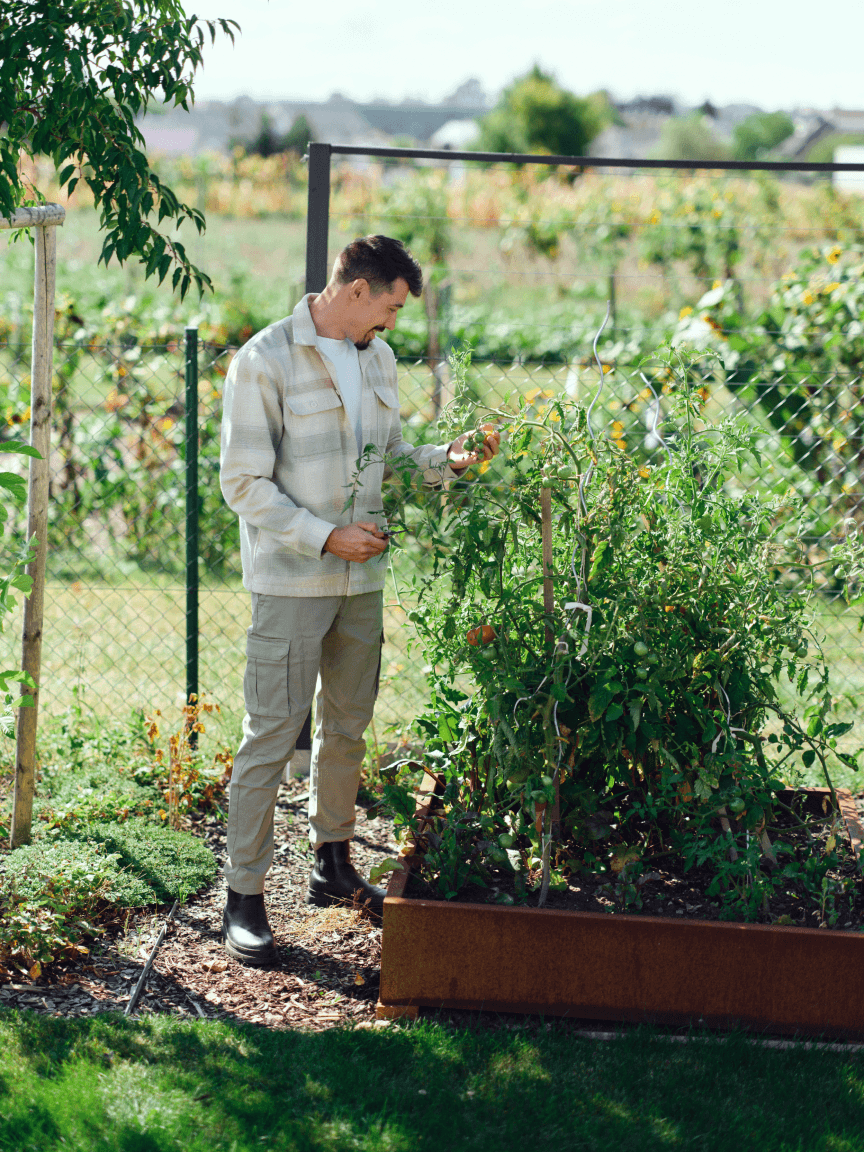
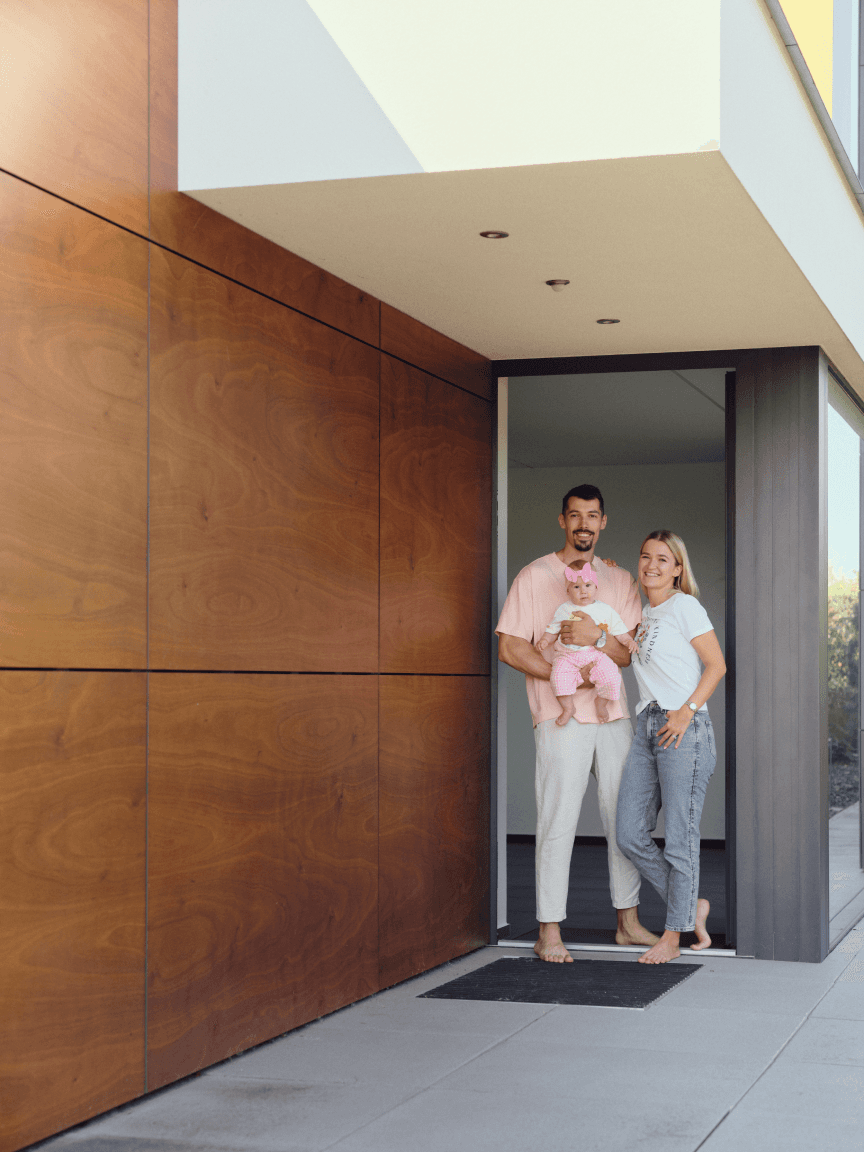
Today, he is a designer, founder, father, and someone who takes both his craft and his physical performance seriously. He shares insights, lessons, and real-world experience on Instagram and LinkedIn, helping other designers grow, think sharper, and reach a higher level.
What made you interested in design in general? What drew you to UX/UI design particularly?
I’ve always been drawn to the idea of creating something out of nothing. Starting from a blank canvas and turning it into something meaningful. That moment where there’s nothing, and then suddenly there’s structure, intention, and form.
Early on, it was mostly instinct. I’d look at things and feel they could be better, clearer, more intuitive. I couldn’t fully articulate it at the time, but I could see the gaps and imagine how to fix them.
That shifted when I left college and started learning design on my own. By replicating and studying others, I began to recognize patterns. Not just visually, but in how things work. That’s when it clicked. I wasn’t just making things look better, I was building systems that people could actually use.
What I value most is that intersection. Creating something that is visually strong but also purposeful. Something that improves the experience, drives results, and helps businesses grow. It’s not just about aesthetics. It’s functional design with impact.
What was the most significant or memorable project of your career so far? Why did you pick that one?
Good question. One project that stands out was under the radar for a while. It was an app I designed for UBTECH Robotics and their robot Jimu.
They came to me with a serious problem. Apple Inc. had rejected their app, and they needed a complete rebuild. UX, visuals, everything. The timeline was tight, so I had to move fast and make clear decisions.
I ended up redesigning the entire experience, from the app itself to the broader visual direction. Working closely with my team, we turned it into a product that not only got approved, but went on to be distributed across the US as one of the first EdTech products in its category. It even made its way into the hands of Tim Cook during a visit to an Apple Store in Toronto.
What makes this project memorable isn’t just the turnaround or the scale. It’s the impact. The app helps kids learn how to code in a way that’s engaging and intuitive. You’re not just designing screens, you’re shaping how the next generation learns and interacts with technology. That’s the kind of work that sticks with me.
How would you describe your approach to design overall? What principles guide your work the most?
I try to stay open minded and avoid approaching every project the same way. That usually leads to repetitive work. I do rely on a consistent set of principles, but the process itself adapts to the specific problem and the client.
I always start with defining the problem. What are we actually solving? Why does this need to exist? Do we even need to design something, or can we improve what’s already there, reuse components, or simplify the system?
Once that’s clear, I move into strategy. Then timeline, execution, and iteration. It’s a structured flow, but not rigid.
At the same time, I make a point to stay on the edge. I test new tools, explore different workflows, and keep things flexible. I don’t believe in a cookie cutter approach where everything looks the same with different colors and fonts.
The goal is always to shape the process around the project, not around me. It has to serve the client, the product, and the outcome.
What skills do you see as indispensable for a modern UX/UI designer?
I think curiosity and openness are essential. Not just for designers, but for anyone working in a fast moving industry. Everything is evolving quickly, and if you’re not willing to learn, adapt, and explore new tools and technologies, you fall behind.
In the past, I would have recommended specializing early. Going deep into one niche. Today, I see it differently. It’s more valuable to be a strong generalist. Someone who understands multiple disciplines and can connect them. With the rise of AI and new tools, you can cover a much broader surface area and still deliver high quality work, as long as you know what you’re doing.
The key distinction is this. Tools can accelerate execution, but they don’t replace thinking. They don’t replace taste, decision making, or quality standards. That part still has to come from you.
So the priority is to stay curious, keep learning, and not rely on what worked yesterday. Stay close to what’s emerging, experiment often, and keep pushing your edge.
How do you maintain your work-life balance? What activities do you enjoy outside of design/work?
Work life balance is an interesting topic. I don’t really believe in it, especially early on.
In the first ten years of my career, I was often working 16 to 17 hours a day. Not because I had to, but because I wanted to. I was driven to improve, to understand the craft, and to make real progress every single day. At that stage, balance wasn’t the priority. Momentum was.
That’s changed over time. Today, I’m much more intentional about how I structure my life. Family comes first, then health, then work. Those are the only three areas I really focus on.
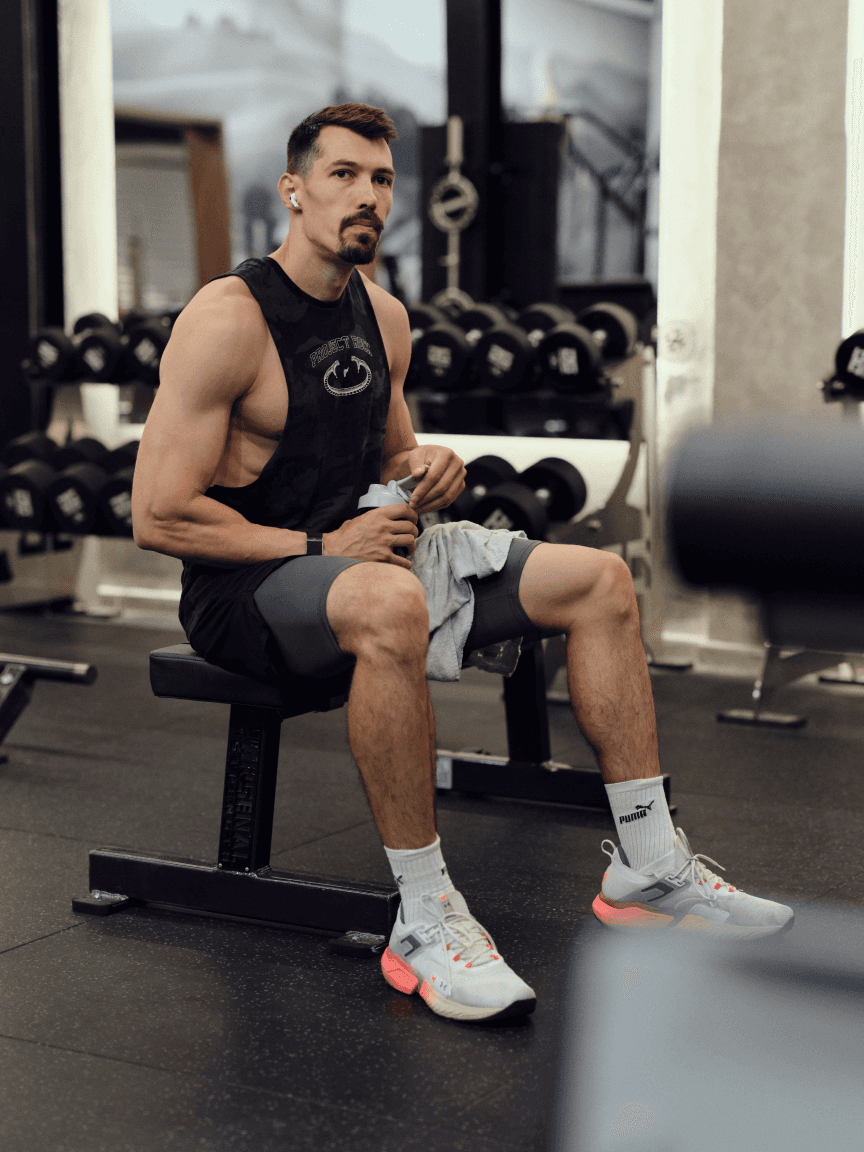
Ironically, I’m in better shape now than I was ten years ago. I train consistently, mix strength work with cardio and boxing, and approach it like a hybrid athlete. That directly impacts my performance at work. Better energy, sharper focus, higher output.
I also operate differently. I delegate more, build systems, and avoid anything that doesn’t move the needle. I focus on signal over noise. Every day, I try to invest in things that contribute to business growth, mental growth, physical health, or my family.
I’ve cut out most distractions. No mindless content, no unnecessary commitments. Just a clear focus on what matters to me.
This approach won’t be for everyone, but it works for me. I like being intentional, disciplined, and focused on making things happen.
What are the biggest changes you expect to see in the design industry over the years? What trends excite you the most?
People like to speculate about the future, but the reality is simple. No one actually knows what’s coming. Anyone who claims they do is guessing.
AI is obviously a big shift, and it does create a sense of pressure. Not just for designers, but across entire industries. But instead of over-focusing on uncertainty, I try to stay grounded in the present. I focus on the process, the work, and what I can control.
At the same time, I prepare. I experiment, test new tools, and stay close to what’s emerging. Curiosity and adaptability matter more than ever.
My approach is to stay flexible. Don’t lock yourself into one narrow skill set. Expand your range, both in what you can do and how you think about business. Diversification, in skills and opportunities, makes you more resilient.
At the core, nothing really changes. Solve real problems, stay creative, and keep improving. That’s always going to be valuable.
And for me personally, design has never been just about money. I started doing it because I genuinely enjoyed it, before I even knew it could be a career. That hasn’t changed. Even if everything shifted tomorrow, I’d still design in some form. That intrinsic motivation is what keeps you steady, regardless of where the industry goes.
What advice would you give to aspiring designers?
I’ve mentioned this a few times, but it really comes down to a few fundamentals. Stay curious, stay open minded, try new things, and be willing to put in the hours.
We’re living in a time where everyone is chasing shortcuts. Faster results, less effort, instant outcomes. AI is often positioned that way too. But in reality, meaningful progress doesn’t work like that. There’s always a phase of hard work you have to go through. You need to put in hundreds or thousands of hours to actually get good.
So focus on doing the work. Experiment, replicate what others are doing, learn from people who are ahead of you, and don’t be afraid to start from zero. Work for free if you have to. Create for the sake of improving, not just because someone told you there’s money in it.
At the same time, don’t just consume. Create. Put your work out there, even if it’s not perfect. That’s where things start to happen. Once you begin sharing, people notice. Opportunities come from visibility.
It might not be immediate, and it might not always be paid at the beginning, but it builds momentum. And that’s what matters.
We hope you enjoyed learning more about Luboš and that you look forward to future Designer Spotlight articles we have planned for you.
If you aren't following us on Instagram already, you're seriously missing out! Become a part of our ever-growing community and learn something new from the field of product design every. single. day.
andrija & supercharge design team

We hope you enjoyed learning more about Luboš and that you look forward to future Designer Spotlight articles we have planned for you.
If you aren't following us on Instagram already, you're seriously missing out! Become a part of our ever-growing community and learn something new from the field of product design every. single. day.
andrija & supercharge design team